A Guide to Installing Your Home EV Charger in Malaysia
Installing an EV charger in Malaysia involves several key
steps, from selecting the right charger to navigating the application process.Step 1: Choose Your EV Charger Type The first decision is what type of charger you need, which
is determined by your vehicle's Incoming capacity. Like most Electrical Vehicle
comes with 7kw, 11kw and 22kw. There are two different types of EV Charger, which is DC
(Direct Current) EV Charger and AC (Alternative Current) EV Charger. AC EV charger max requirement power load is 32Amp. And DC
charger will go from 63Amp to 400amp and above, which is not suitable for home
used. AC Charger is preferred charger for home use because its slower, steady power delivery is better for long-term
battery health, it is more cost-effective, and it is perfectly
suited for long, unattended charging sessions. Recommendation: AC EV Chargers (Slow/Regular
Charging). Type: AC Wall Charger (typically 7kW to 22kW). AC EV
Charger basically is best For: Home installation. Amp requirement for different types of power supply, below
are the list for your reference. -
7kw (Single Phase) 32Amp -
11kw (Three Phase) 16Amp -
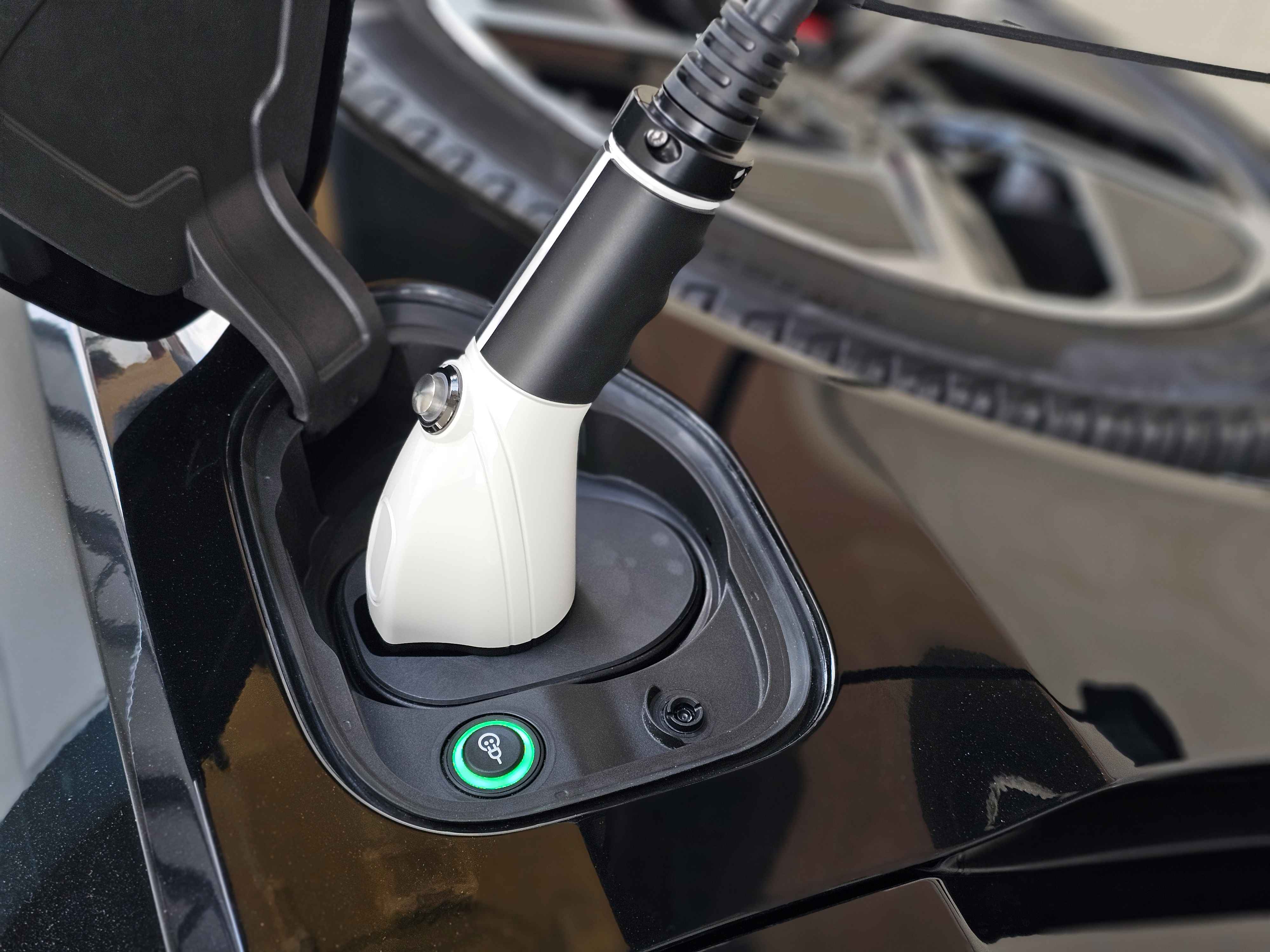
22kw (Three Phase) 32Amp Connector: Type 2 (the Malaysian standard) or Type 1 (Japan
Spec.) and etc. Charging Time: 5-7 hours for a full charge (10-100%) For this guide, we will focus on AC Charger installation for
homes and residential properties. Step 2: Assess Your Electrical Supply Before you buy anything, you need to check if your
electrical panel can handle the extra load. Recommend appointing a CERTIFIED
(ST Cert) to check the max load of your house. . Single-Phase or Three-Phase Supply: Standard Houses in Malaysia equipped with either Single Phase or Three Phase, both comes with 63Amp as standard power supplied from TNB. .
Current Load: A qualified electrical engineer or
contractor will assess your main DB (Distribution Board) to ensure it has the
spare capacity for a new, dedicated circuit for the EV charger. Normally will
ask to Switch on ALL electrical Devices like Air-Con/s, Ovens etc. To ensure
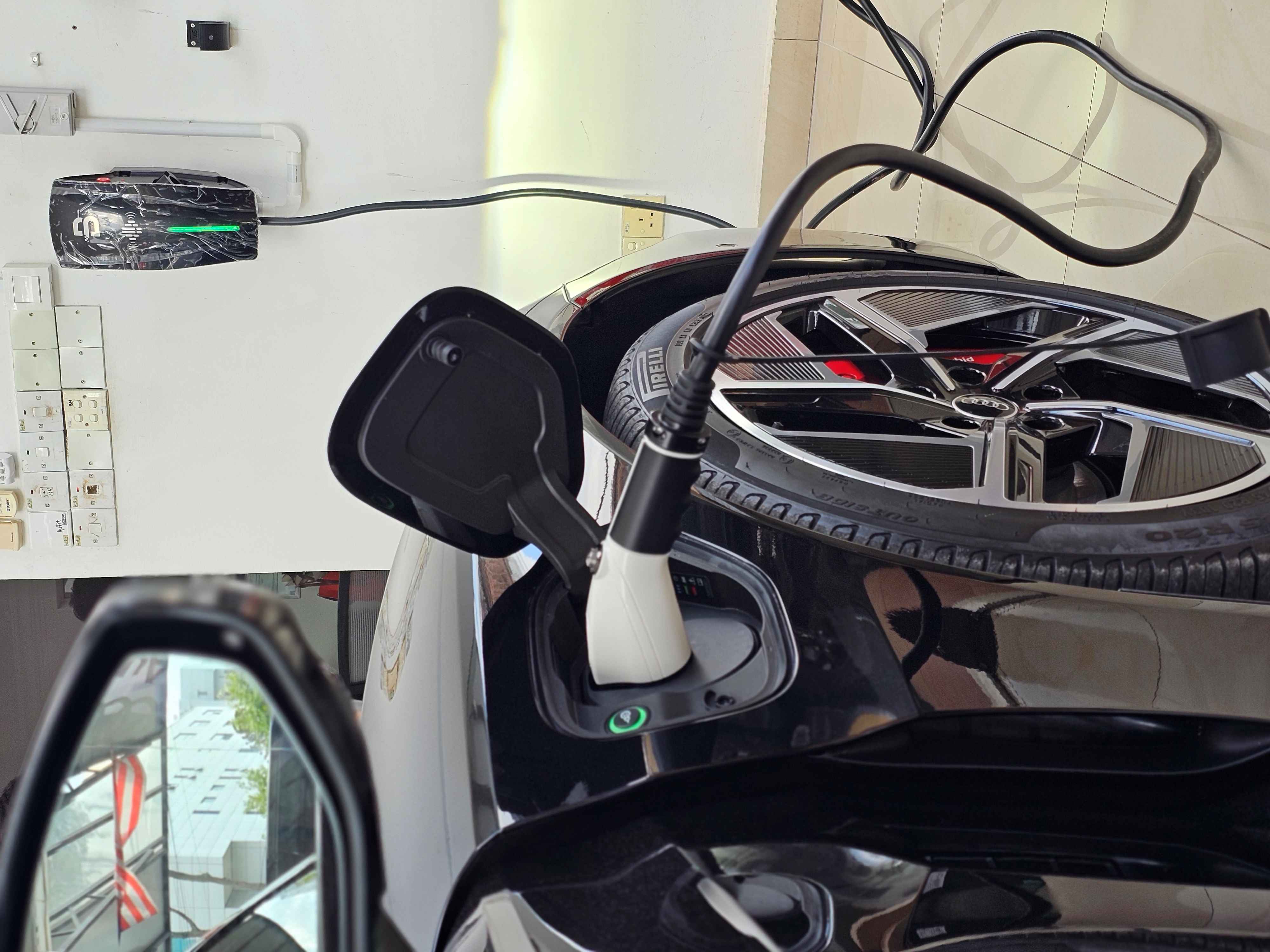
enough capacity to install your new EV Charger. Step 3: Select a Location Choose where the charger will be mounted. Landed House: Ideally on an external wall near your parking
spot. Recommend installing at Covered area to ensure safety charging
especially during raining day. Charging during "rain with Thunder" in not advisable. Condo/Apartment: This is more complex. You need permission
from the Joint Management Body (JMB) or Management Corporation (MC). The
location is usually a designated parking lot. You will need to plan the cable
routing from your meter or a common substation to your parking space. Step 4: Get Quotations and Choose an ST EV Certified
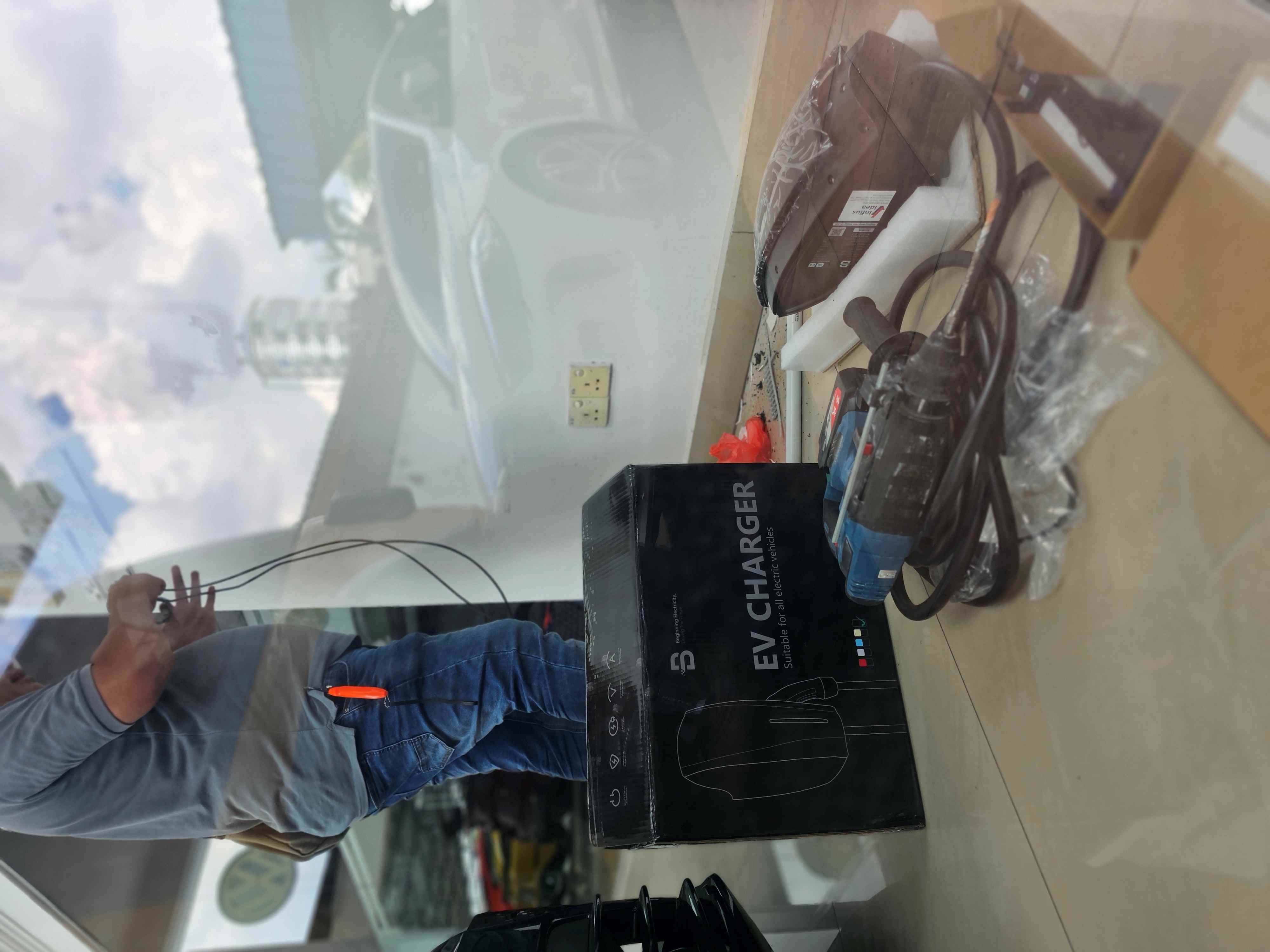
Electrician/Installer Do not attempt a DIY installation. This is high-voltage work
that must be done by a Certified Electrical Contractors with ST EV certificate. For a safe and reliable EV AC charger installation, the
following requirements must be met:
These steps help ensure your EV charger operates safely,
efficiently, and in compliance with installation best practices. STEP 5. SELECTION OF EV CHARGER. Lastly, choosing the right EV charger is extremely critical.
Although there are many low-priced options in the market, it’s important to
understand that EV chargers handle high-voltage and high-current
transmission, which means safety and reliability cannot be compromised. To avoid future issues or potential safety risks, I strongly
recommend selecting a charger from a reputable and reliable company,
with proven build quality and strong safety features. A well-built charger not
only protects your vehicle and your home’s electrical system, but also ensures
long-term trouble-free usage. Investing in a high-quality charger now will save you from
unnecessary problems later, especially when it comes to high-voltage equipment
like EV chargers. Your safety, your vehicle, and your peace of mind are worth
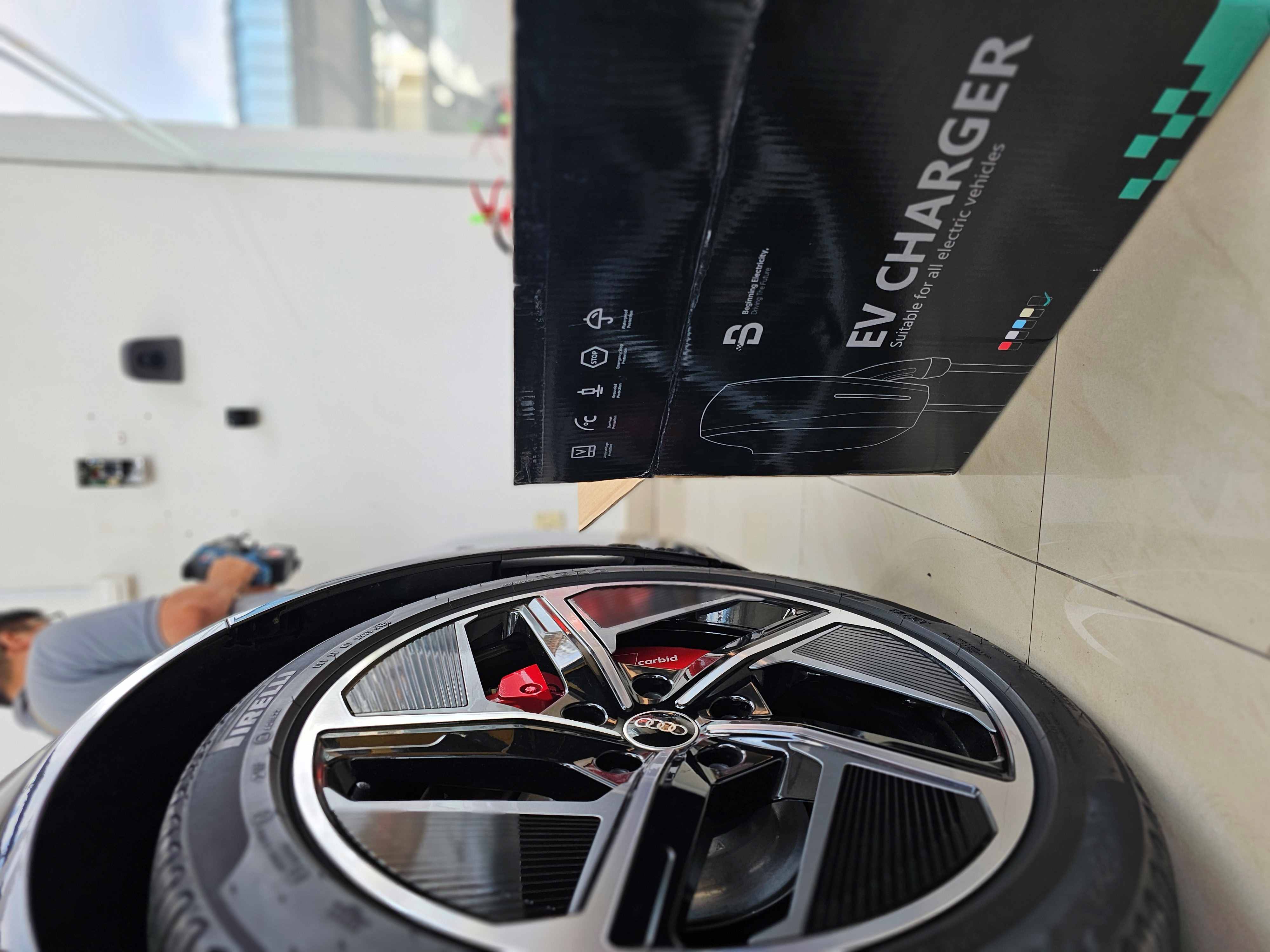
the right choice. ADVERTISING BENY’s EV chargers offer a perfect mix of safety,
affordability, and efficiency, reducing long-term costs and maintenance needs. Need
more? Check it out at www.infiusidea.com
|