Why Surge Protection for EV Chargers is Essential?
When lightning strikes, we seek shelter. Similarly, your electric vehicle and its charging station need protection from electrical storms and power grid fluctuations.
Surge Protection Devices (SPDs) are the essential safeguard for your investment.
|
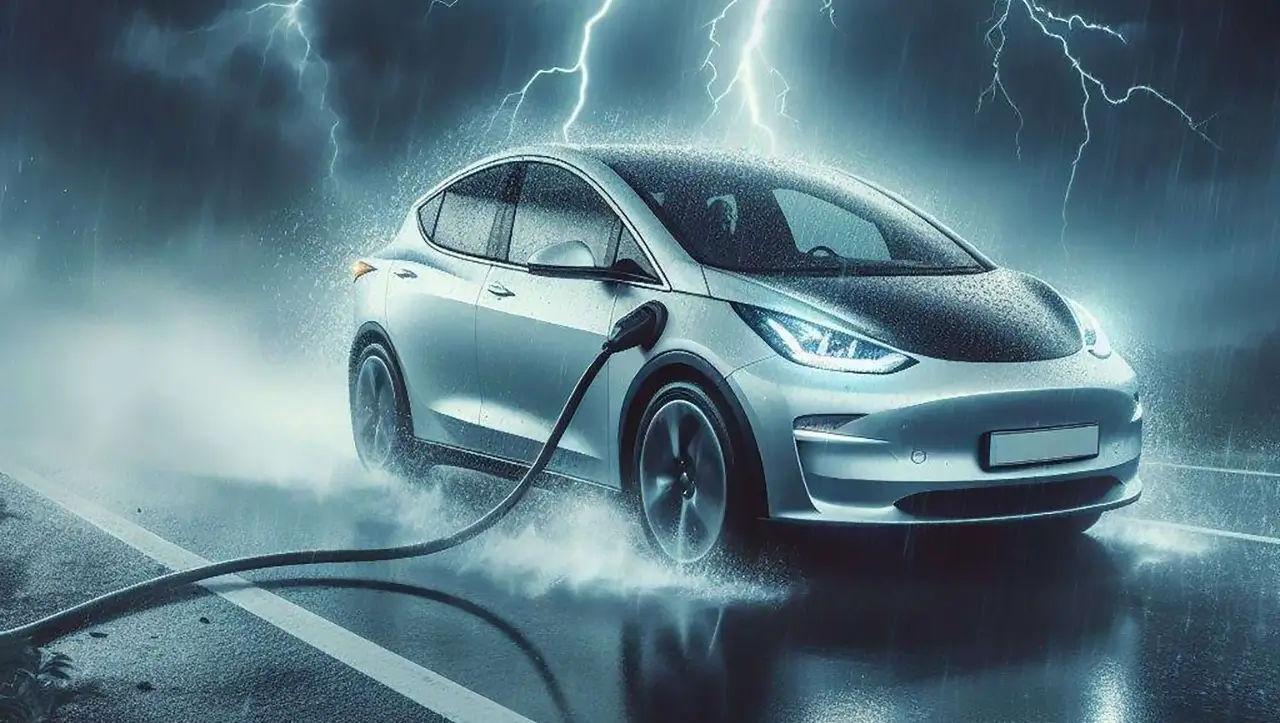
Let's explore how a surge protection device for EV chargers safeguards both your vehicle and the charging infrastructure.
What is Surge Protection for EV Chargers?
Surge protection for EV chargers involves installing specialized devices designed to shield the charging station from voltage spikes. These surges can originate from:
Direct or nearby lightning strikes
Power grid switching operations
Large appliances cycling on and off
An SPD acts as a gatekeeper, diverting excess voltage safely to the ground and protecting the charger's sensitive power supply, monitoring, and communication components.
Does an EV Charger Need Surge Protection?
Absolutely. As critical electrical equipment, EV chargers are vulnerable to electrical disturbances. Without protection:
Lightning-induced surges can cause short circuits and severe damage to internal wiring.
Grid fluctuations can lead to equipment failure and interrupt charging.
Installing a surge protector for EV charging is a proactive measure that:
Prevents Damage: Shields the charger from external electrical disturbances.
Enhances Stability: Reduces equipment failure, lowers maintenance costs, and extends the charger's lifespan.
Ensures Reliability: Maintains charging efficiency and provides a better user experience.
3 Types of Surge Protectors for EV Charging Stations
Surge protection is layered for maximum safety. The three types work together:
Type 1 SPD (Service Entrance Protection)
Purpose: Protects against direct lightning strikes on the power lines or building.
Installation Location: Main electrical panel/service entrance.
Role: The first line of defense for high-risk areas.
Type 2 SPD (Distribution Board Protection)
Purpose: Guards against residual surges that pass the Type 1 SPD and local grid fluctuations.
Installation Location: Sub-panels or near the charging station itself.
Role: Essential secondary protection for the charger's electronics.
Type 3 SPD (Point-of-Use Protection)
Purpose: Offers fine, localized protection for the most sensitive components.
Installation Location: Very close to the EV charger unit.
Role: The final barrier against smaller, residual surges.
Pro Tip: For comprehensive protection, a combination of Type 2 and Type 3 SPDs is often recommended for home and commercial charging stations.
How to Install a Surge Protector for EV Charging
Disclaimer: Electrical installation should always be performed by a qualified and licensed electrician.
The general installation process involves:
Site Assessment: An electrician will determine the best type and location for the SPD based on your electrical setup and local codes.
Power Disconnection: The main power to the charging circuit will be shut off.
Wiring: The SPD is connected in parallel to the power supply lines (Line and Neutral) and the grounding system at the designated location (e.g., main panel for Type 1, sub-panel for Type 2).
Connection & Sealing: All connections are secured, and the enclosure is sealed.
Testing: The system is powered back on and tested to ensure the SPD is functional.
|
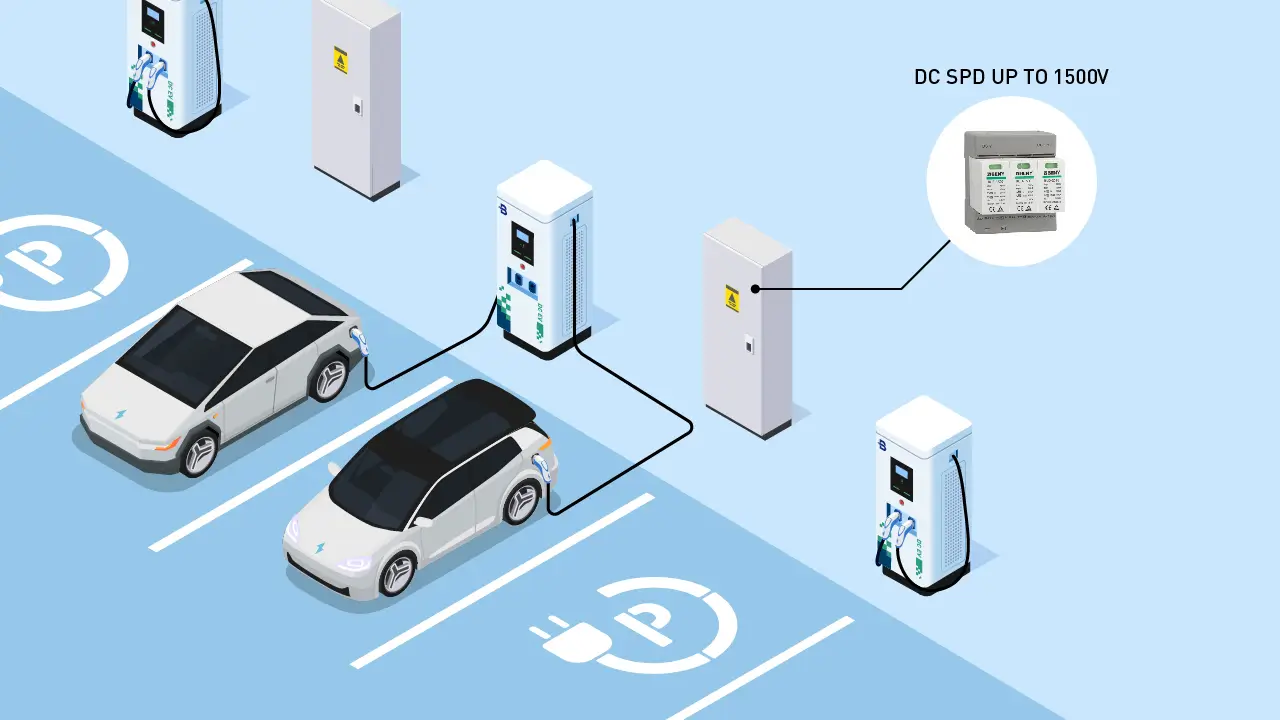
Maintenance: Regularly inspect your surge protector (as per manufacturer guidelines) and after a major surge event. Many devices have an indicator light that shows if they are still offering protection.