Battery Swapping vs. EV Charging Stations: Which to Choose?
The popularity of electric vehicles (EVs) is key to
promoting low-carbon transportation, and efficient, convenient energy
replenishment methods are central to eliminating users’ range anxiety when
using EVs. Currently, mainstream EV energy replenishment methods include
battery swapping and EV charging.
If you’re looking to invest in the EV energy replenishment
industry or buy a new EV, should you choose battery swapping stations or EV charging stations?
What are the pros and cons of each? Today’s blog will give a comparison to help
you make a suitable choice.
What to Know About Battery Swapping Stations?
What is Battery Swapping? It refers to directly removing the
depleted or nearly depleted EV battery and replacing it with a fully charged
battery pack from the battery swapping stations, with the entire process taking
only a few minutes. This method is similar to how traditional fuel-powered
vehicles can continue driving after refueling at a gas station.
1. Advantages of Battery Swapping Stations
- Fast
Energy Replenishment: The entire battery replacement process
takes only a few minutes, significantly reducing waiting times. For
electric taxis, this can improve operational efficiency and increase
revenue.
- Centralized
Battery Maintenance: Battery swapping stations can manage
batteries uniformly, including battery health monitoring, regular
cleaning, etc., optimizing battery lifespan.
- Lower Vehicle Purchase Cost: For consumers, battery costs account for a large portion of the vehicle’s total cost when purchasing an EV. Under the battery swap station model, consumers don’t need to purchase the battery, thereby reducing the upfront cost of the vehicle.
2. Disadvantages of Battery Swapping Stations
- High
Cost of Battery Swapping Stations: Due to the need for automated
swapping equipment, backup batteries, and warehouses, the construction
cost of battery swapping stations is much higher than that of EV charging
stations. Additionally, battery swapping stations typically involve labour
costs for equipment maintenance, further increasing operational expenses.
- Cross-Brand
Battery Swapping is Difficult: Batteries and electric vehicles
produced by different manufacturers vary in size, shape, interfaces, and
battery placement (chassis, front engine compartment, side, etc.).
Automakers are also concerned that swapping may affect vehicle performance
and safety, making standardization challenging.
- Hassles
During Battery Management: To prevent users from receiving
low-quality batteries, which could harm the station’s reputation,
administrators must track each battery’s origin, usage history, and
maintenance records. This adds complexity to battery management.
What to Know About EV Charging Stations?
What is EV charging? It refers to transferring electrical
energy from the grid to EV batteries through EV charging stations,
enabling the vehicle to continue driving. Charging ways can be divided into
slow charging and fast charging. Slow charging power typically ranges from
3.7kW to 22kW and is commonly used for home charging. The fast
charging power can reach over 600kW and is often used for public charging.
1. Advantages of EV Charging
- Well-established
Infrastructure:
- In
terms of infrastructure quantity, EV charging stations are more than
battery swapping stations. EV charging stations can be deployed in homes,
shopping malls, highway service areas, office buildings, and more.
- Mature
Technology:
- After
years of development, EV charging technology has become relatively mature.
Many EV charger brands have launched intelligent charging functions to
ensure safety and efficiency.
- Users’
Charging Habits:
- Similar
to smartphone charging, users prefer charging rather than battery
swapping. It requires no changes to the vehicle’s structure.
- Cost-Effectiveness:
- For
operators, battery charging points have lower construction costs. For EV
drivers, utilizing slow charging and time-of-use electricity pricing can
further save money.
- Broad
Compatibility:
- One
charging station can power vehicles of different brands as long as the
charging interface is compatible. In specific regions, charging standards
are unified, with CCS, CHAdeMO, GB/T, and Tesla being mainstream
standards. A vehicle is typically equipped with both slow and fast
charging interfaces to meet diverse user needs.
2. Limitations of EV Charging
- Constrained
by Charging Time:
- EV
Charging takes longer compared to battery swapping, requiring you to plan
charging time during long-distance trips.
- Need
to Queue up for Charging:
- Due to
longer charging times, during peak travel periods such as holidays and
weekends, some charging stations—especially those in highway service
areas—face severe queues.
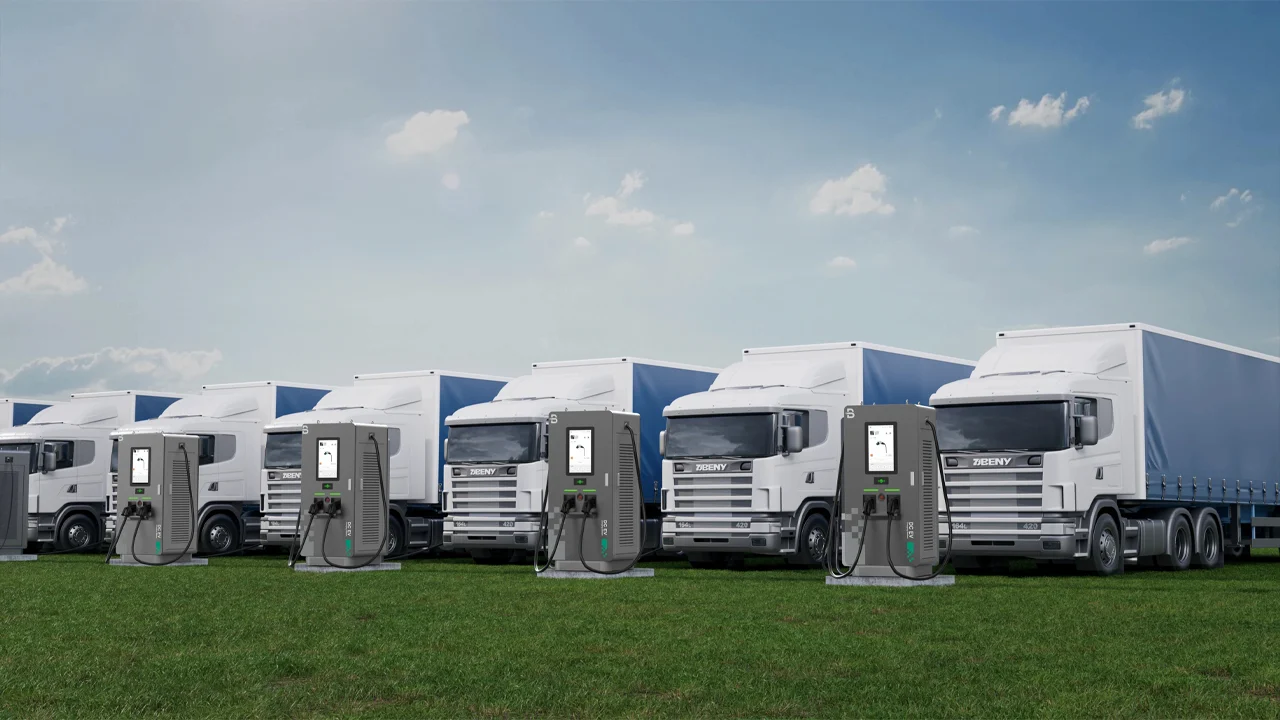
However, many EV charging station brands have made
breakthroughs in fast-charging technology, such as BENY, which offers charging
power of up to 600kW. Just ten minutes of charging can replenish hundreds of
kilometres of range, significantly improving charging station efficiency and
boosting drivers’ confidence in their journeys.
Which to Invest In? Battery Swapping Stations or EV
Charging Stations?
For EV energy replenishment, both EV battery swapping
and charging have their own pros and cons. Individuals and businesses can
choose based on usage scenarios and target customers. Overall, EV charging
stations are more recommended due to their broader applicability.
- For
Battery Swapping Stations:
Battery swap stations are suitable for vehicles that
need to be used frequently and long time, such as taxis and logistics vehicles.
They have high demands for energy replenishment speed, and EV battery swapping
can improve operational efficiency. Plus, adopting a battery-as-a-service model
reduces the vehicle purchase cost, making it ideal for fleets.
- For
EV Charging Stations:
Battery charging points are more suitable for individual
users and commercial charging stations. Charging infrastructure is mature,
covering various settings such as homes, commercial areas, and highways.
Moreover, the construction cost is lower, and the ROI cycle is shorter.
Furthermore, vehicles in the same region generally share the same charging
standards, so charging point operators don’t need to worry about utilization
rates.
EVB’s Fast Charging Solution for Operators
For businesses or individuals looking to invest in EV
charging stations, EVB Charger is a
highly recommended choice. With stable performance and intelligent management,
EVB charging stations can meet diverse needs for household, commercial, and
public scenarios. Our product lineup includes AC charging, DC fast charging,
and ultra-fast charging, with support for customized charging interface
standards to accommodate different regional and vehicle requirements.
EVB charging stations also feature smart functions such as
remote monitoring, scheduled charging, and dynamic load balancing, helping
operators optimize energy efficiency.
Contact us now to get your customized charging solution!