Part 1: EV Charger Types & Connectors in Malaysia
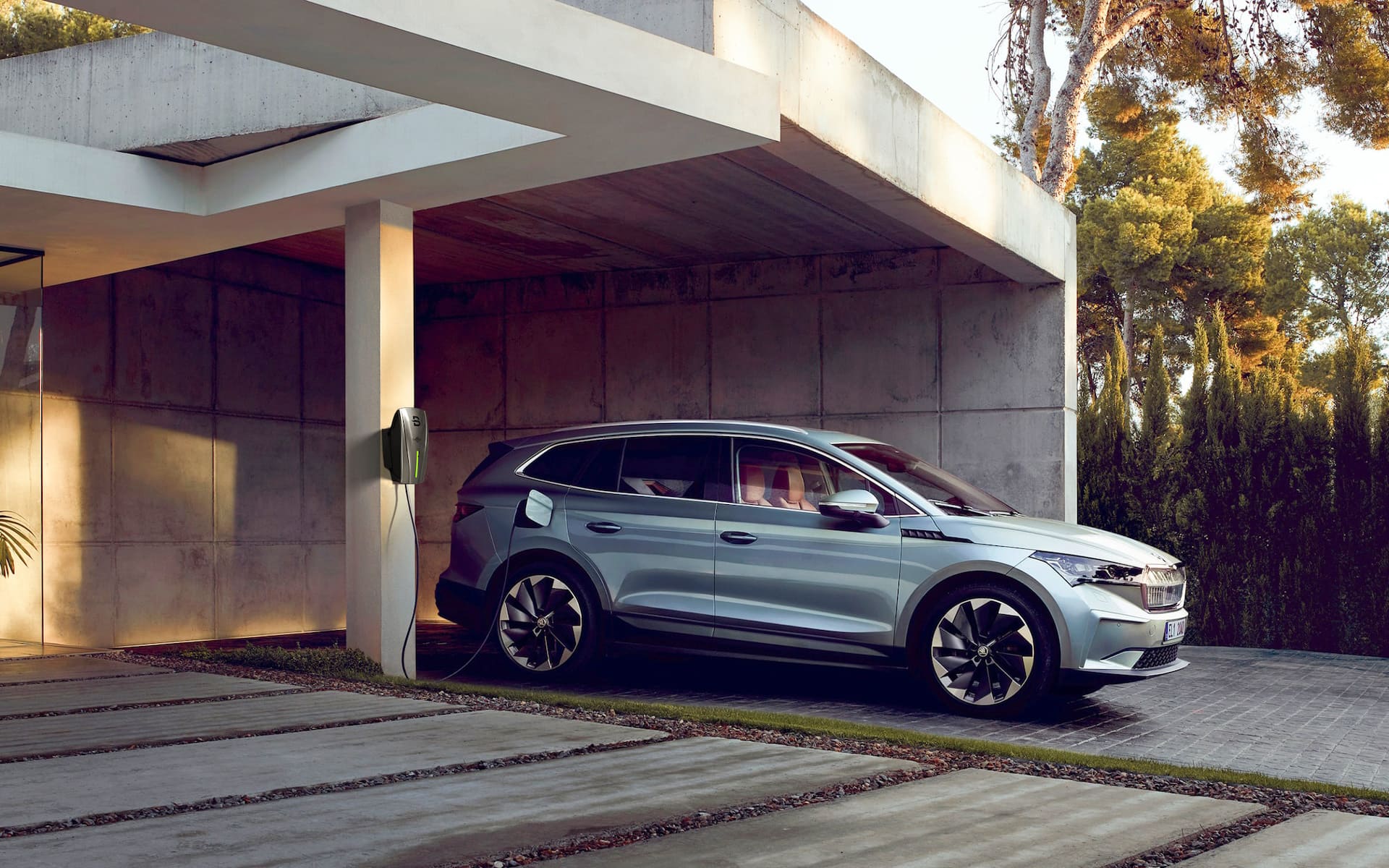

There are two main categories of chargers: Alternating Current (AC) for slower charging and Direct Current (DC) for rapid charging.

1. AC Chargers (Slow to Medium Charging)

These are typically found at homes, workplaces, shopping malls, and destinations where you park for several hours.

  • Type 2 (Mennekes) Connector: This is the standard for AC charging in Malaysia and Europe.

    • Usage: Used by almost all new EVs in Malaysia (e.g., BMW iX, Volvo XC40 Recharge, Hyundai Ioniq 5, Kia EV6, BYD Atto 3, etc.).

    • Power Output: Ranges from 3.7 kW (slow, single-phase) to 22 kW (faster, three-phase).

2. DC Chargers (Rapid Charging)

These are found along highways and strategic locations for quick top-ups during long journeys.

  • CCS2 (Combined Charging System) Connector: This is the most common standard for DC fast charging in Malaysia.

    • Usage: The Type 2 port on most EVs is actually a CCS2 port, which combines the Type 2 AC pins with two additional DC pins for fast charging. This is the connector you will use 90% of the time at public charging stations.

    • Power Output: Typically from 50 kW to 350 kW. A 50 kW charger can add about 200-250 km of range in 30-45 minutes.

  • CHAdeMO Connector:

    • Usage: Primarily used by older models like the Nissan Leaf. It is becoming less common in Malaysia as CCS2 becomes the dominant standard. Most new charging stations may not have this connector.

    • Power Output: Usually up to 50 kW.

  • GB/T Connector:

    • Usage: This is the Chinese standard. It is not common in the general public network in Malaysia. You will typically only find it at specific brand-centric locations (e.g., some NIO stations).

Summary: For most new EV owners in Malaysia, your car will have a Type 2 (AC) / CCS2 (DC) combo port. This is the one you need to look for.


whatsapp